What is the purpose of skirting board?
Discover the benefits, types, installation tips, and maintenance of PS skirting boards. A modern and cost-effective solution for wall finishes.
PS Skirting Board: The Ultimate Guide to Stylish and Durable
Wall
Finishes
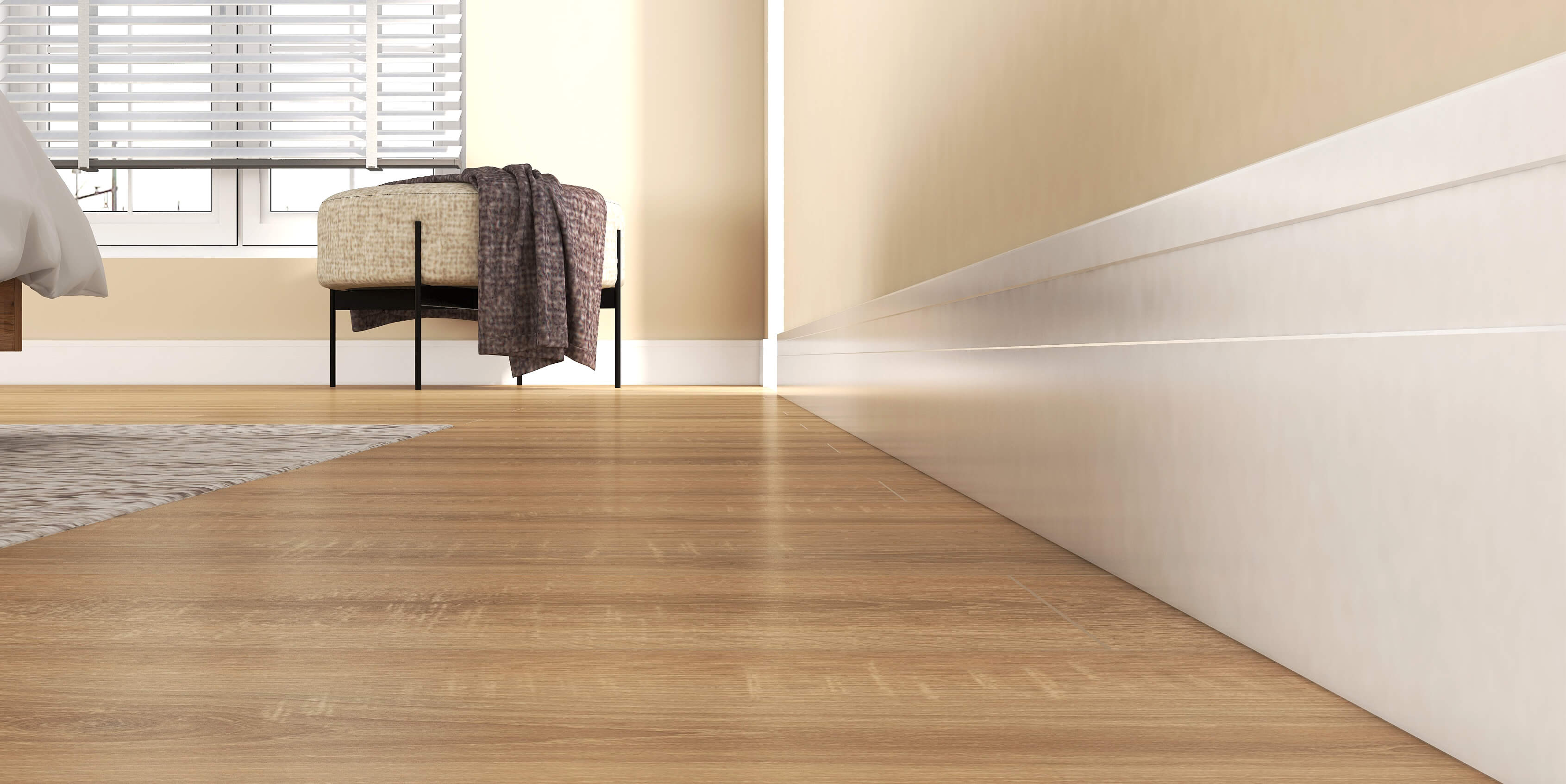
When it comes to interior design, even the smallest details can make a big difference. One such detail is the **PS skirting board**—a versatile and modern solution for finishing walls and protecting them from damage. Whether you're renovating your home or designing a new space, PS skirting boards offer a sleek, durable, and cost-effective option.
What is a PS Skirting Board?
PS (Polystyrene) skirting board
Benefits of PS Skirting Boards
1. Lightweight & Easy to Install
2. Moisture & Termite Resistant
3. Cost-Effective
4. Versatile Designs
5. Low Maintenance
Types of PS Skirting Boards
Plain PS Skirting – Simple, smooth finish for modern interiors. Decorative PS Skirting – Features intricate designs for a classic or vintage look. Flexible PS Skirting – Ideal for curved walls or unconventional spaces. Colored PS Skirting – Pre-finished in white or wood-effect tones to save painting time.
How to Install PS Skirting Boards
Step 1: Measure & Cut
Measure the wall length and cut the skirting board to size using a fine-tooth saw.
Step 2: Apply Nail free glue
Use a Nail free glue on the back of the skirting.
Step 3: Fix to the Wall
Press the skirting firmly against the wall and hold for a few seconds. Use masking tape to secure it until the adhesive dries.
Step 4: Seal the Joints (Optional)
For a seamless look, apply silicone sealant along the edges.
Maintenance Tips for PS Skirting Boards
Clean with a damp cloth and mild detergent. Avoid abrasive cleaners that may scratch the surface. Inspect periodically for any loose sections and reapply adhesive if needed.
Conclusion
PS skirting board
PS skirting boards