Embracing Sustainable Construction: The Environmental Benefits of WPC, PS, SPC, and MDF Wall Panels
Discover the environmental advantages of WPC, PS, SPC, and MDF wall panels for sustainable construction. Ideal for green buildings.

As global awareness of environmental issues continues to rise, the construction industry is increasingly shifting towards more sustainable, green solutions. Wall panels, as a vital component of building materials, have seen growing attention for their environmental impact. WPC (Wood Plastic Composite), PS (Polystyrene), SPC (Stone Plastic Composite), and MDF (Medium Density Fiberboard) wall panels have emerged as ideal choices for green buildings due to their exceptional environmental advantages.
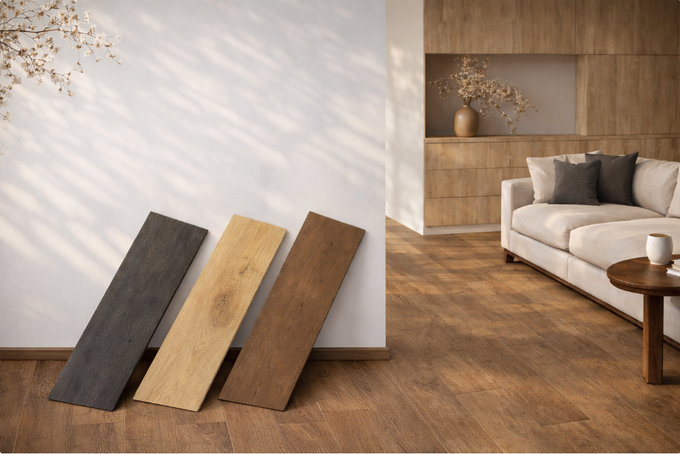
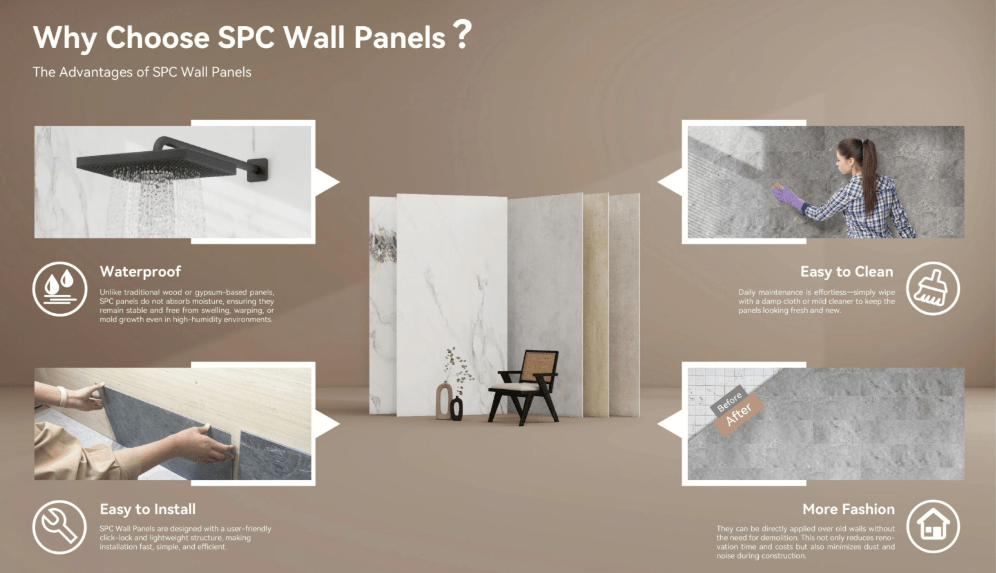
These wall panel materials offer notable eco-friendly benefits. WPC wall panels combine wood and plastic, providing the natural aesthetic of wood while offering superior water resistance and antibacterial properties. Their recyclable nature reduces the reliance on natural timber, contributing to forest conservation. PS wall panels, made from recycled plastics, help minimize the use of virgin resources and are known for their excellent weather resistance and long lifespan, thereby reducing waste generation. SPC wall panels, primarily composed of stone, are highly stable and durable, free from toxic substances, and meet modern green building standards. They are increasingly used in both residential and commercial applications, making them a top choice for sustainable construction. MDF wall panels, made from compressed wood fibers and resin binders, are not only easy to process but also environmentally friendly. They can be recycled through proper waste management, reducing resource wastage and supporting the goals of green construction.
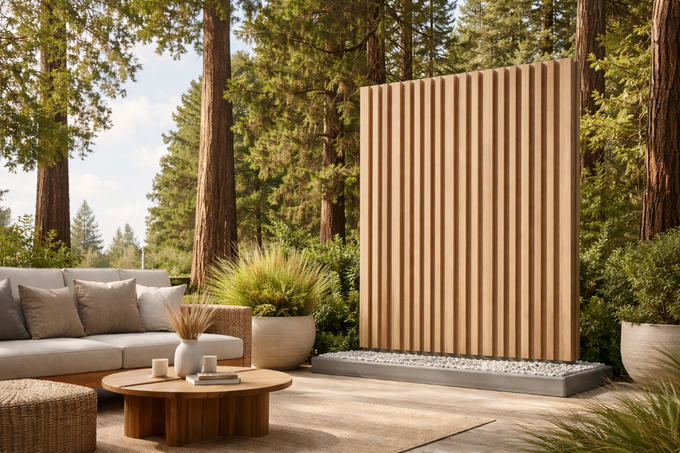
Whether for interior decoration or exterior applications, WPC, PS, SPC, and MDF wall panels demonstrate clear environmental benefits. By incorporating these materials, the construction industry reduces dependence on natural resources while promoting sustainability. The widespread adoption of eco-friendly wall panels will play a key role in shaping the future of green architecture.