Louver Panels in India: Popular Designs and Materials for Modern Interiors
Louver panels are now a standard feature in Indian interiors, from TV walls to retail receptions. This guide compares the main materials, explains fluted and 3D profiles, and lists what to confirm before a wholesale order.
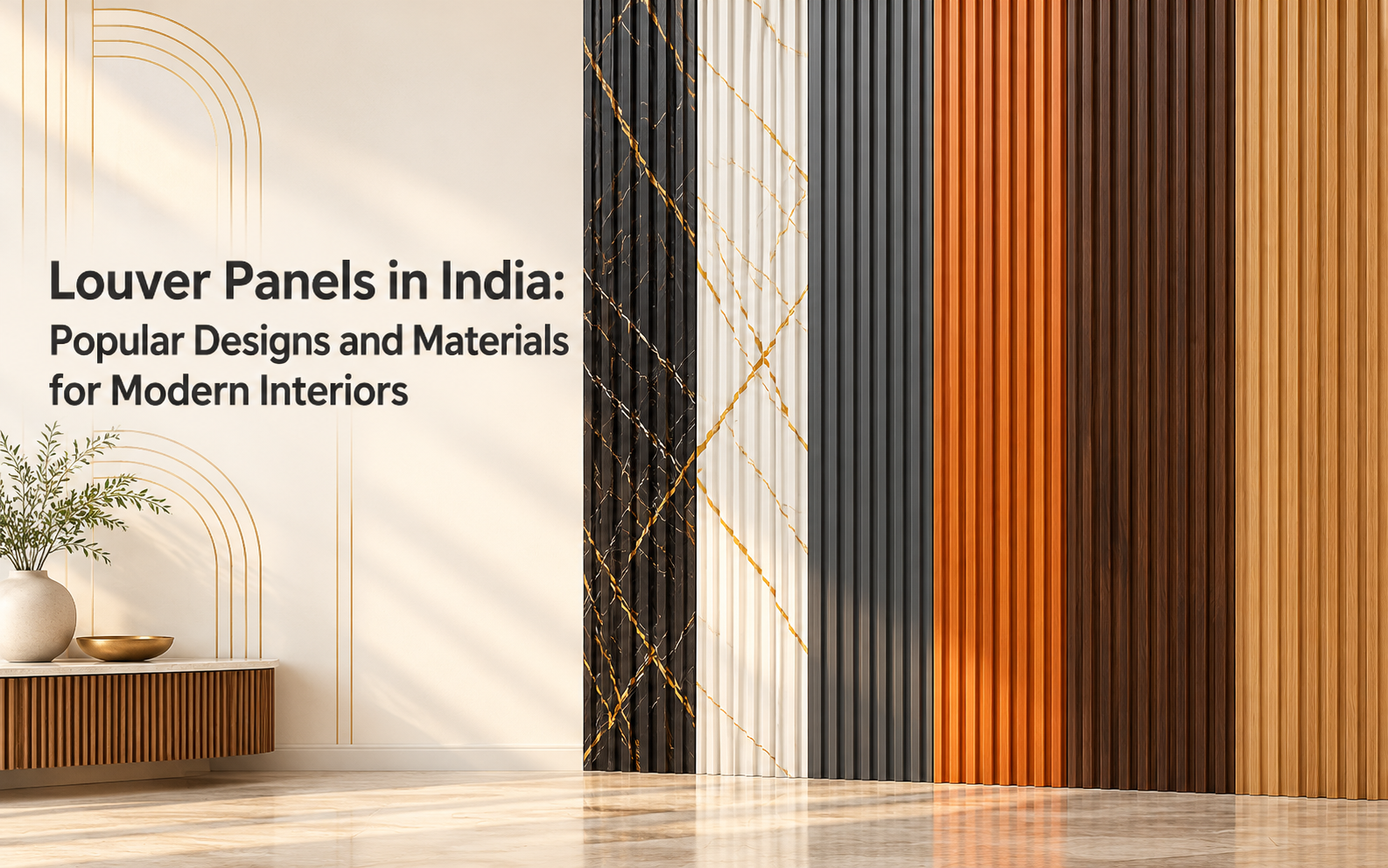
Louver panels have become a familiar feature in modern Indian interiors. They are widely used behind TV units, along bedroom headboards, at entrances, in reception areas, and in retail spaces. Compared with a plain painted wall, louver panels create texture and shadow while still keeping the room neat and contemporary.
Their popularity comes from a simple combination of design flexibility and practical value. A louver wall can make a large blank wall feel more complete, add visual height through vertical lines, and work with many interior styles—from warm wood-look homes to modern commercial spaces. More importantly, buyers can choose from different materials and profiles according to their budget, installation area, and preferred finish.
Materials Used for Louver Panels
The material is the starting point for every louver panel project. It affects not only the appearance of the wall, but also its durability, maintenance requirements, cost, and suitable application area.
| Material | Material Features | Suitable Applications | Price Level | Key Considerations |
|---|---|---|---|---|
| PVC Louvers | Lightweight, waterproof, easy to clean, cost-effective | Residential feature walls, rental properties, retail interiors | Budget | Best for indoor decorative use; check thickness and wall flatness before installation |
| WPC Louvers | More solid, durable, wood-like texture | Living rooms, bedrooms, hotels, offices, commercial projects | Mid-range | Confirm whether the product is intended for indoor or outdoor use |
| PVC Charcoal Louvers | Decorative texture, strong 3D effect, rich surface options | TV walls, bed backdrops, showrooms, stores | Mid to premium | Confirm the actual core material, density, thickness, and performance |
| PS Louvers | Lightweight, refined profiles, clean finish | Dry indoor walls, cabinets, ceilings, decorative areas | Mid-range | Not ideal for strong impact or high-heat locations |
| Solid Wood Louvers | Natural grain, premium appearance, authentic texture | Villas, boutique hotels, high-end residences | Premium | Requires moisture protection and regular maintenance |
| Wood & Metal | Strong architectural look, modern contrast, premium detailing | Reception areas, retail spaces, offices, luxury interiors | Premium | Confirm coating quality, trim accessories, and installation structure |
PVC louvers panel are usually the first choice for projects with a limited budget. They are lightweight, practical, and easy to maintain, which makes them suitable for many ordinary indoor wall-decoration projects.
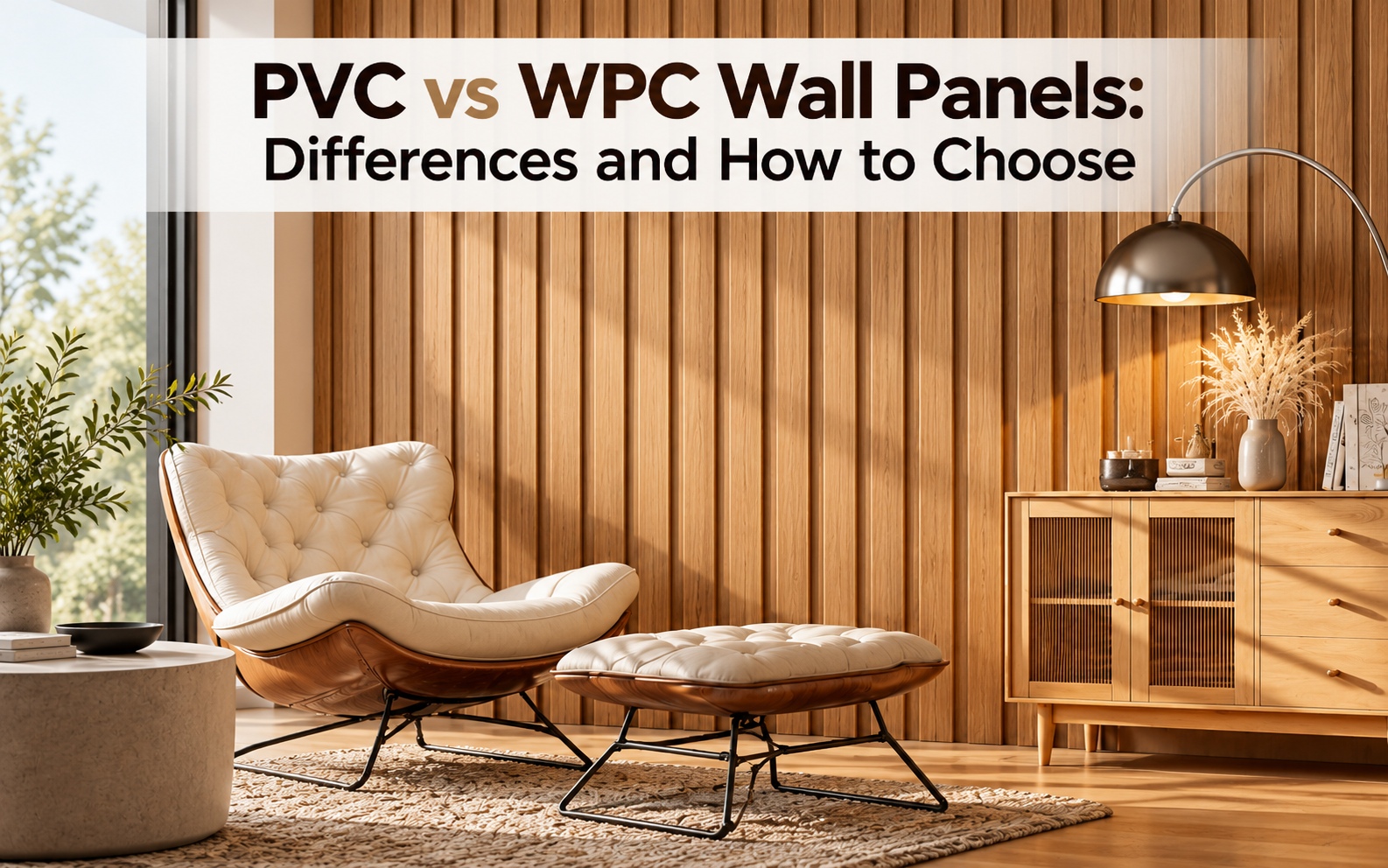
WPC louvers panel are a stronger choice when the project needs a thicker profile and a more substantial wood-like appearance. They are often used in living rooms, bedrooms, hotels, and commercial interiors where the wall finish needs to feel more premium.
PVC charcoal louvers are popular for feature walls because they often offer deeper grooves, stronger texture, and more decorative surface effects. However, "charcoal" is not always a standardized material description. Buyers should not select this type based on the name alone. The actual core material, surface finish, thickness, and test requirements should always be confirmed with the supplier.
PS louvers panel are another option for indoor decorative applications. They can provide clean, detailed profiles and are suitable for dry spaces such as bedrooms, display walls, cabinet backgrounds, and ceilings.
Solid wood remains a premium choice for projects that want natural warmth and real wood grain. It is especially suitable for villas, boutique hotels, and luxury residential interiors, although it requires more maintenance than PVC or WPC materials.
Wood and metal combinations are increasingly used in commercial interiors. A metal trim or metal-finish profile can add contrast to wood-look louver panels and create a more architectural result.
Which Type Is Right for Your Project?
For a simple indoor wall renovation, standard PVC louvers are usually the most practical option. They offer a clean decorative effect without adding too much cost to the project. They are suitable for TV walls, bedrooms, rental apartments, and small retail spaces.
For buyers who want a more durable and substantial wall finish, WPC louvers are a better choice. Their thickness and wood-like texture make them suitable for larger residential projects, hospitality spaces, offices, and showrooms.
For projects that need a stronger visual statement, PVC charcoal louvers and PS louvers are worth considering. These panels are often used in spaces where lighting is part of the design, such as TV backdrops, bed headboards, reception walls, and retail displays. Deeper grooves and 3D surfaces create more obvious shadows when combined with spotlights or LED strips.
For premium projects, solid wood or wood-and-metal combinations can create a more distinctive result. Natural wood suits warm, high-end interiors, while metallic details work well in contemporary offices, retail stores, lounges, and reception areas.
The installation environment should always be considered before confirming the type. For humid areas, outdoor locations, or high-traffic commercial spaces, buyers should check water resistance, UV resistance, impact resistance, fire requirements, and the recommended installation method instead of selecting a panel only by appearance.
Louver Panel Designs
After selecting the material, the panel profile determines the overall visual style of the wall. Some designs are subtle and minimal, while others create stronger shadows and a more sculptural effect.
Flat and Fluted Designs
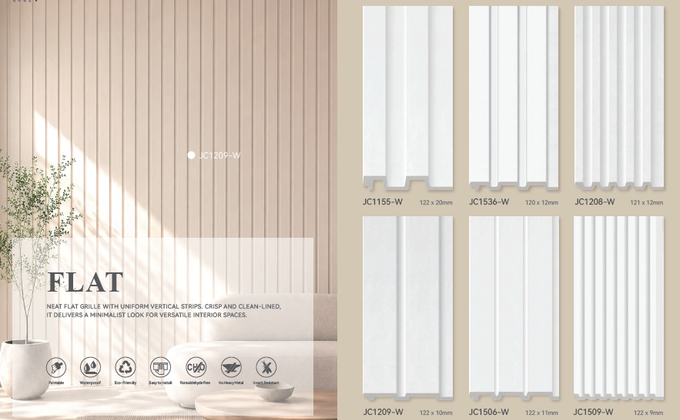
Flat designs are simple and clean. They are suitable for interiors that need a calm, modern background rather than a highly decorative wall. This type works well with neutral colors, smooth furniture, and minimal lighting.
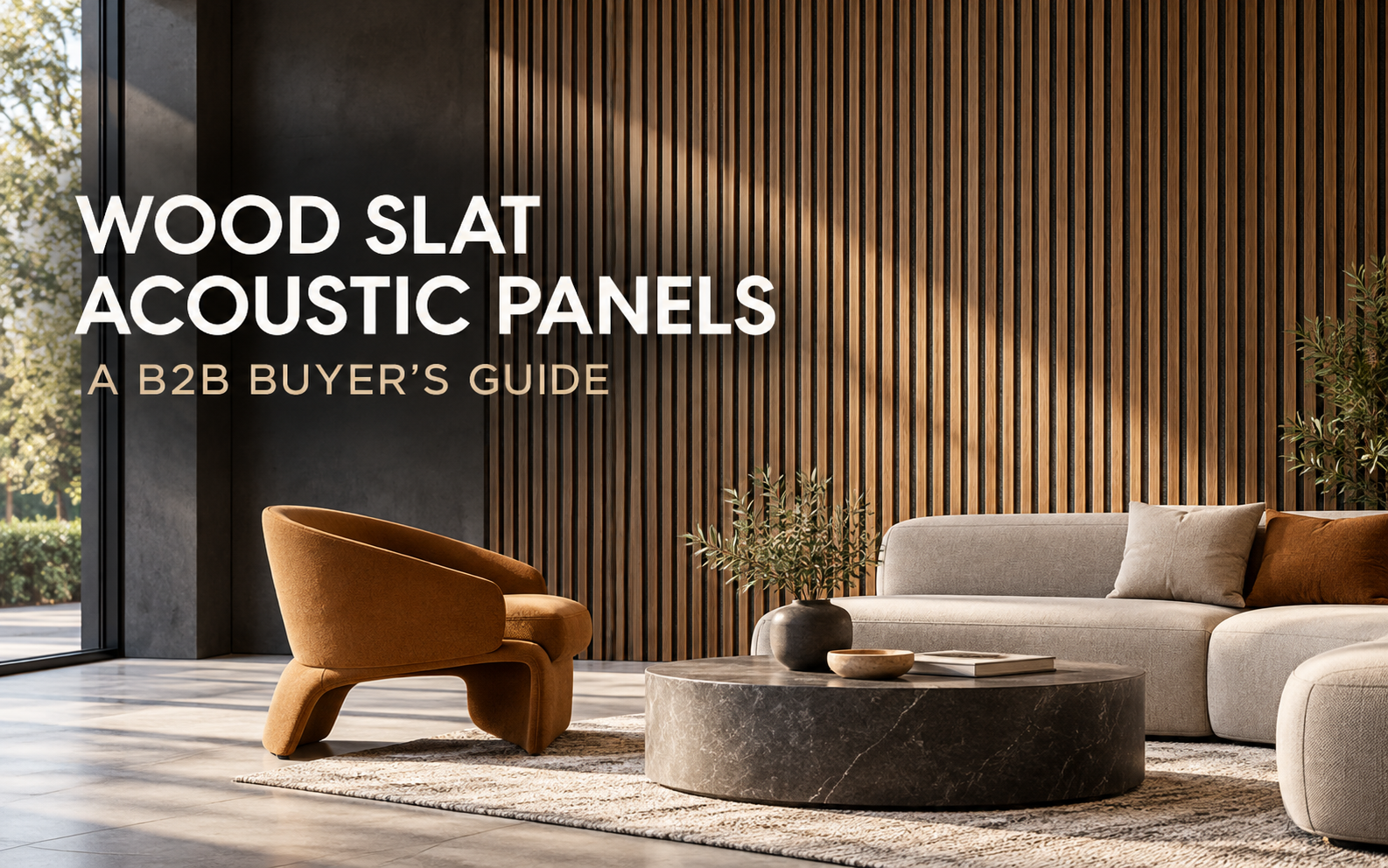
Fluted panels use repeated vertical grooves to create a more textured surface. They are among the most flexible louver styles because they can be used in homes, offices, hotels, and retail spaces. A narrow fluted profile feels refined and modern, while a wider groove creates a bolder look.
For smaller rooms, shallow fluted panels are usually a safer choice. They add texture without making the wall feel too heavy. In larger spaces, wider fluted panels can create a stronger focal point.
3D Louver Designs
3D louver panels are designed to create more depth through changes in groove width, height, shape, or angle. They are best used on a feature wall rather than on every wall in a room.
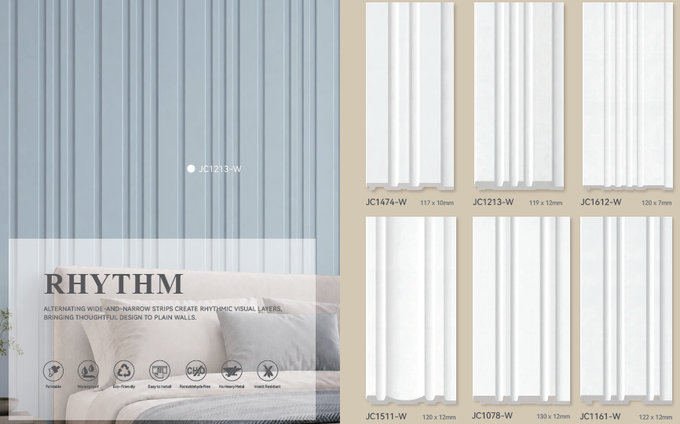
Rhythm designs use lines with different widths or depths. This creates a more dynamic pattern and gives the wall a stronger sense of movement. It is suitable for TV walls, reception areas, and display spaces.
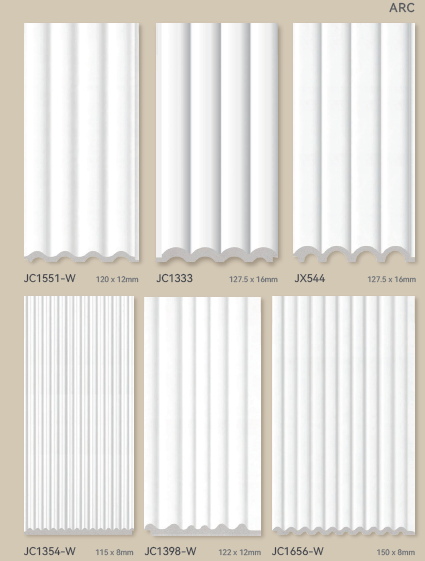
Arc designs use rounded profiles. Their softer shape makes them suitable for bedrooms, lounges, hospitality interiors, and other spaces that need a more relaxed and elegant atmosphere.
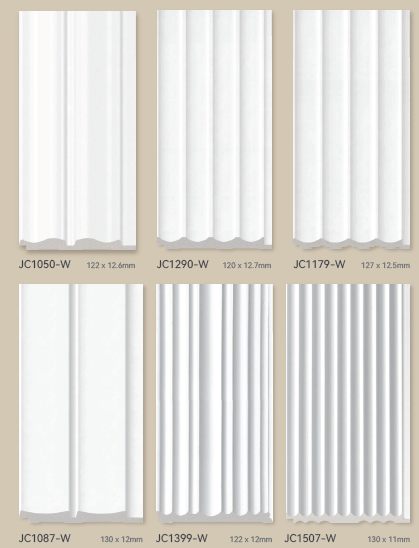
Cove designs use wider concave grooves. They create a smooth, wave-like effect and work well with indirect lighting. This style is often suitable for bed backdrops, salons, restaurants, and modern residential interiors.
Prism designs have more defined edges and finer linear details. They create stronger contrast between light and shadow, making them suitable for showrooms, commercial interiors, and feature walls that need a more contemporary look.
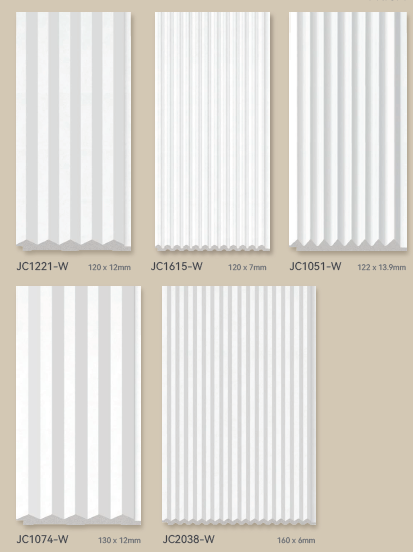
When selecting a 3D design, lighting should be considered at the same time. Wall-washing lights, LED strips, and spotlights can make the profile more visible. Without suitable lighting, very deep or complex panels may not show their full effect.
Metallic Detailing
Metallic detailing is a simple way to make louver panels look more refined. It does not mean that the entire wall needs to be metallic. In most cases, a small amount of metal finish is enough to create a more premium result.
Metallic details can be added through edge trims, narrow inlay strips, panel joints, cabinet borders, or framing around a TV wall. Brushed brass, champagne gold, bronze, gunmetal, and matte black are common choices for modern interiors.
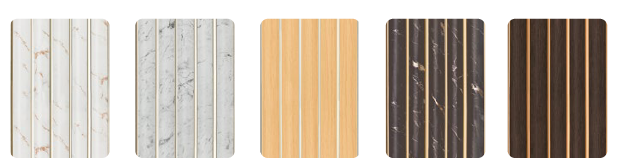
Wood-look louver panels paired with brass or champagne trims can create a warm and elegant effect. Dark louver panels paired with black or gunmetal details are more suitable for offices, retail stores, lounges, and modern reception areas.
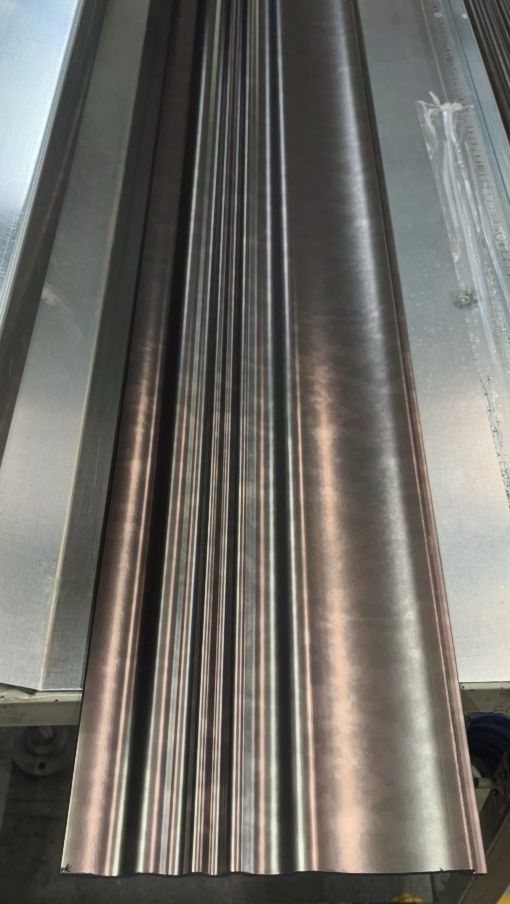
The most important point is balance. Metallic elements should support the louver design rather than overpower it. A narrow trim line or a small metallic frame can make a wall look more intentional and complete.
What to Check Before Placing an Order
Once the material type and design are confirmed, buyers should also check the panel size, thickness, color, surface finish, accessories, and installation requirements. Matching trims, corner pieces, end caps, and adhesives can make a major difference to the final appearance.
Product quality should be checked through samples before a bulk order. Buyers should review the surface consistency, panel thickness, profile accuracy, color stability, and relevant performance requirements for the installation area.
For wholesale and project orders, stable delivery capacity is equally important. A supplier should be able to provide consistent production, matching accessories, customized specifications, and clear product information for repeat orders.
INTCO Decor offers PVC, WPC, PS, SPC, and decorative wall panel solutions for wholesale and project customers. With multiple louver profiles, customized colors and specifications, matching accessories, product samples, and stable supply support, we help buyers select suitable materials and designs for their local market and project needs.