EU Considers Expanding Trade Safeguards on Chinese Imports: Businesses Should Prepare for Change
The EU has signalled it may consider additional safeguard measures on Chinese imports. No measures are confirmed yet — here is what importers should review now, and how multi-origin supply can add resilience.
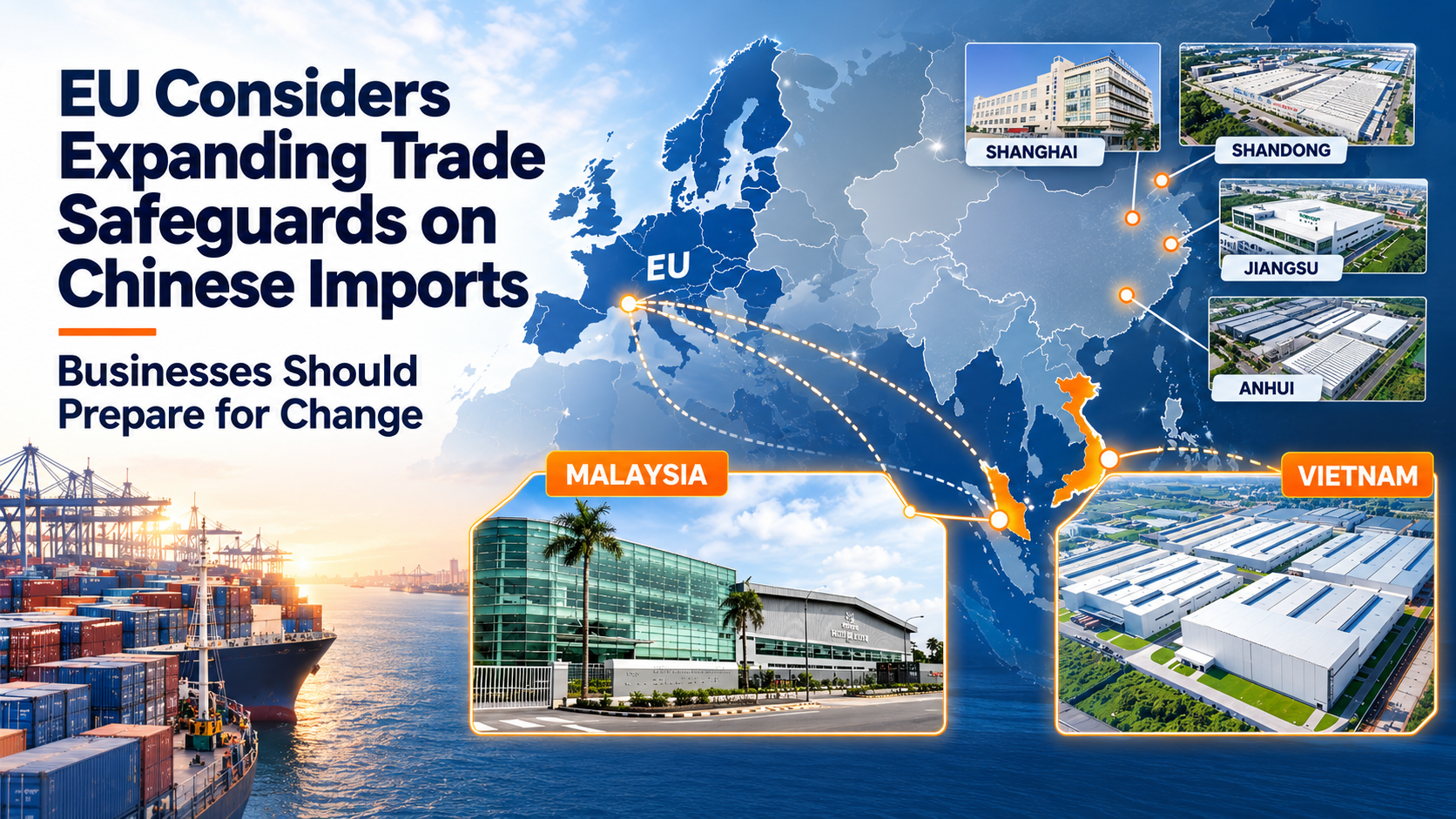
The European Union and China have recently made progress on arrangements concerning Chinese hybrid car exports. However, at a press conference following the EU summit on October 16, European Commission President Ursula von der Leyen said the arrangement would not resolve the structural imbalance in EU-China trade. She said European industries had called for action and that the Commission would respond, including by considering additional safeguard measures. Reuters reported that any measures could go beyond the current arrangement concerning Chinese hybrid cars.
Potential Effects on Chinese Manufacturers and European Importers
For Chinese manufacturers, any expansion of EU trade investigations or safeguard measures could bring stricter market access requirements, additional compliance costs, and greater uncertainty related to tariffs, quotas, or other restrictions. French President Emmanuel Macron mentioned chemicals, plastics, and ferro-alloys as areas of focus. These were sectors he identified for consideration; they are not a confirmed list of products subject to new restrictions.
For European importers, policy changes could affect sourcing costs, delivery schedules, and supply stability. If certain products are later included in investigations or restrictions, importers may need to reassess their supply sources, inventory plans, compliance documents, and contract terms. Reviewing suppliers' manufacturing locations and alternative supply capacity in advance can help reduce disruption to projects.
No Final Measures Yet—But Businesses Should Prepare
At this stage, the EU has signalled a policy direction and possible future action. This does not mean that new restrictions on Chinese building materials have already been adopted, nor have specific products, tariff codes, rates, or implementation dates been confirmed. Any impact will depend on formal EU proposals and the scope of the measures ultimately adopted.
For businesses that rely on a single production location or sourcing channel, now is a sensible time to review supply chain risks and prepare alternatives. Assessing product classifications, rules of origin, certification documents, lead times, and delivery plans in advance can help buyers and suppliers respond more effectively if policies change.
Multi-Origin Supply for Greater Delivery Resilience
As a supplier with a factory in Vietnam, INTCO DECOR can offer customers additional sourcing options and help European importers reduce reliance on a single production location. Our Vietnam factory adds flexibility to supply planning. Customers can work with us to assess suitable production and delivery arrangements based on product requirements, project schedules, and applicable trade rules.
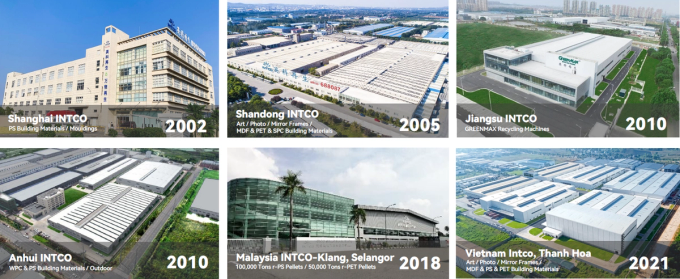
Please note that manufacturing in a different location does not automatically qualify a product for a particular tariff treatment or exemption. The final customs and origin determination depends on the specific product, the processing carried out, applicable rules of origin, and official EU policy. We recommend that customers consult their customs broker or a qualified trade adviser and ensure that all origin documents and product information are accurate, complete, and traceable.
We also encourage buyers to confirm priority products, estimated quantities, and delivery schedules early, plan inventory carefully, and stay in close contact with suppliers about policy developments and order progress. The better prepared the supply chain is, the more options businesses will have if trade rules change.
As trade policies continue to evolve, resilient multi-origin supply, transparent compliance documentation, and timely communication will be essential for EU-China business partners. INTCO DECOR will continue to monitor policy developments and work with customers to assess supply solutions that meet their project needs.
Source: Reuters' report on Ursula von der Leyen's remarks following the EU summit on October 16, 2026. The potential impacts discussed above are general analysis and do not constitute specific tariff or legal advice.