Wood Panels vs. Plastic Panels: Key Differences, Benefits, and How to Choose
Wall panels are increasingly popular in residential, commercial, and hospitality interiors. This guide compares wood panels and plastic panels on material, appearance, moisture resistance, maintenance, installation and total cost, so you can choose the right option for your project.
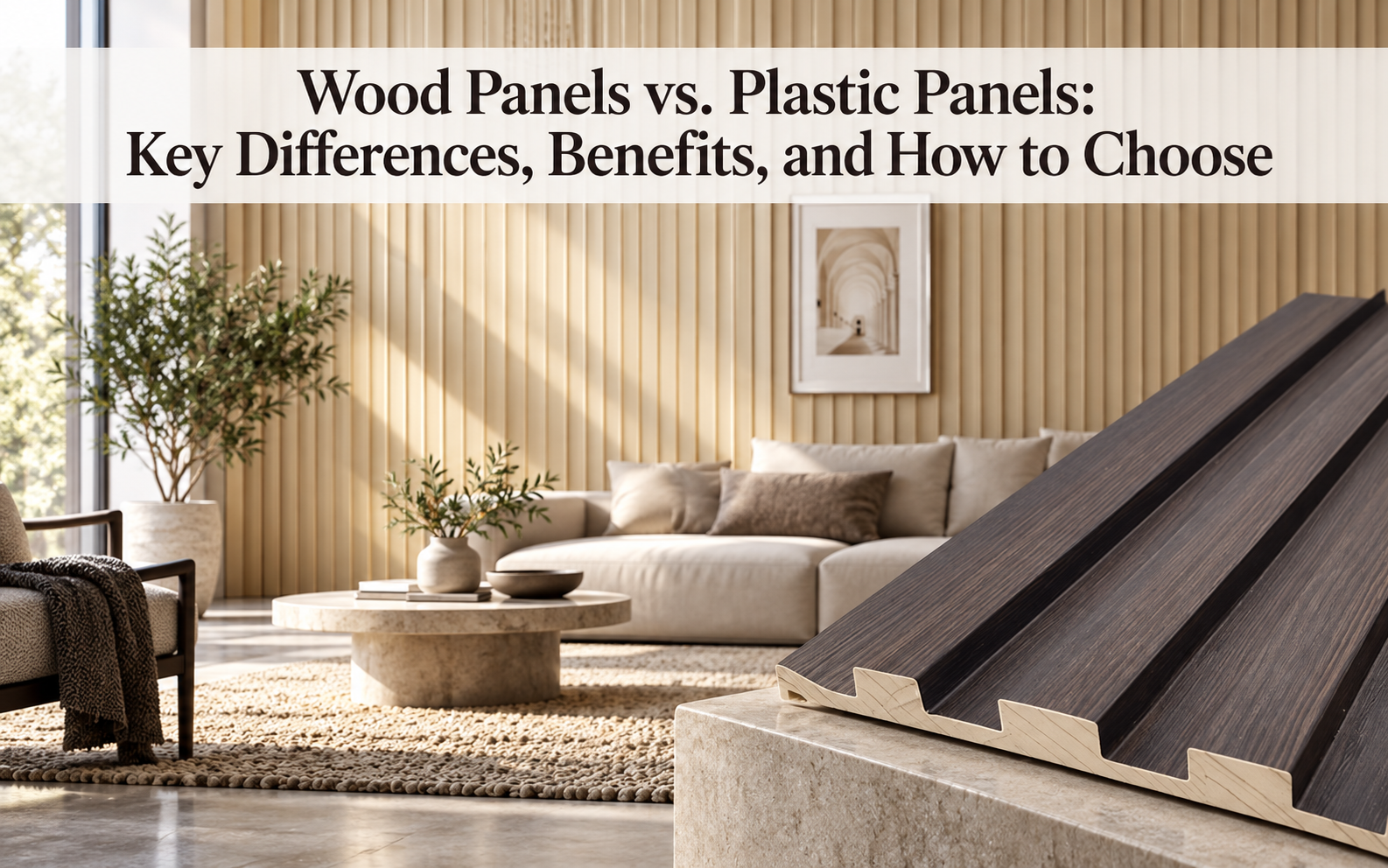
Wall panels are increasingly popular in residential, commercial, and hospitality interiors. They can improve the appearance of a space, protect walls, and create a more comfortable atmosphere. Among the most widely used options are wood panels and plastic panels.
Although both materials can provide attractive wall finishes, they differ in terms of material composition, performance, maintenance, and applications. Understanding these differences can help architects, contractors, distributors, and property owners choose the right solution for each project.
What Are Wood Panels?
Wood panels are wall-covering products made from natural wood, engineered wood, or wood-based materials such as MDF.
Common types include:
• Solid wood panels
• Wood veneer panels
• MDF decorative panels
• Wood slat panels
• Wood-look acoustic panels
Wood panels are popular for their natural grain, warm colors, and premium appearance. They are commonly used in living rooms, bedrooms, hotels, restaurants, offices, and reception areas.
What Are Plastic Panels?
Plastic panels are wall panels made from polymers or plastic-based composite materials. Common types include PVC wall panels, PS wall panels, WPC panels, and SPC wall panels.
Plastic panels can imitate the appearance of wood, stone, marble, fabric, and other decorative surfaces. They are often selected for their moisture resistance, easy maintenance, lightweight structure, and fast installation.
Plastic wall panels are suitable for residential and commercial applications, including bathrooms, kitchens, retail stores, offices, hotels, restaurants, and renovation projects.
Key Differences Between Wood and Plastic Panels
1. Material Composition
The most obvious difference is the material itself.
Wood panels are made from natural wood or wood-based materials. Their appearance depends on the wood species, veneer, coating, and surface treatment.
Plastic panels are made from PVC, PS, WPC, SPC, or other polymer-based materials. Modern manufacturing technologies allow plastic panels to reproduce realistic wood-grain and stone textures while providing additional functional benefits.
2. Appearance and Design
Wood panels are known for their natural grain, warm colors, and organic texture. They can create a high-end and comfortable atmosphere, especially in spaces that require a natural design style.
Plastic panels offer greater design flexibility. They are available in a wide range of colors, patterns, textures, and finishes, including:
• Oak and walnut wood grain
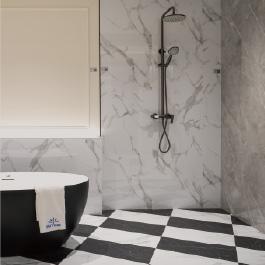
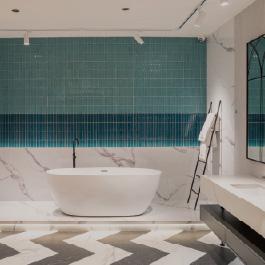
• Marble and stone finishes
• Fluted and slatted designs
• Fabric-look surfaces
• Modern solid colors
For projects that require consistent colors and repeatable patterns, plastic panels can provide greater uniformity from batch to batch.
3. Moisture and Water Resistance
Moisture resistance is one of the most important differences between the two materials.
Many wood-based panels may absorb moisture if they are not properly sealed or installed in a suitable environment. Long-term exposure to humidity can lead to swelling, deformation, or surface damage.
Plastic panels are generally more resistant to moisture and water. This makes them a practical option for bathrooms, kitchens, basements, commercial spaces, and other areas where humidity is a concern.
However, actual performance depends on the specific material, surface coating, installation method, and edge sealing.
4. Durability and Maintenance
Wood panels can be durable when properly finished and maintained. However, they may require periodic cleaning, refinishing, or protection against moisture, scratches, and temperature changes.
Plastic panels are usually easier to clean and maintain. Most surfaces can be wiped with a soft cloth and mild cleaning products. They generally do not require painting or regular refinishing.
For high-traffic commercial environments, low-maintenance plastic panels can help reduce long-term maintenance requirements.
5. Installation
Wood panels may require more careful preparation and installation. Depending on the product, installation may involve cutting, drilling, framing, adhesives, or mechanical fasteners.
Many plastic panels are lightweight and designed for fast installation. Some products can be installed directly over existing walls using adhesive, clips, or simple fixing systems.
This can reduce installation time and labor costs, particularly for renovation projects and large commercial spaces.
6. Environmental Considerations
Wood is a renewable material, but the environmental impact of wood panels depends on the source of the timber, manufacturing process, coatings, and transportation.
Plastic panels can also offer environmental advantages when they are produced using recyclable materials or recycled content. Some products are designed for a long service life and can be recycled after use.
When selecting a product, buyers should consider:
• Recycled content
• Product lifespan
• VOC emissions
• Environmental certifications
• Manufacturing practices
• End-of-life recyclability
The material itself is only one part of the sustainability assessment.
Benefits of Wood Panels
Wood panels remain a popular choice because they offer several important advantages:
• Natural and premium appearance
• Warm and comfortable visual effect
• Wide range of wood species and finishes
• Suitable for residential and hospitality interiors
• Strong design appeal
• Compatibility with modern, rustic, and Scandinavian styles
They are especially suitable when the main priority is natural appearance and interior atmosphere.
Benefits of Plastic Panels
Plastic panels are increasingly used in modern interior projects because they combine decorative appeal with practical performance:
• Moisture and water resistance
• Easy cleaning and maintenance
• Lightweight construction
• Fast installation
• Consistent surface appearance
• Wide range of colors and textures
• Suitable for commercial and high-traffic spaces
• Flexible options for OEM and customized production
Plastic panels are a practical choice for projects where performance, efficiency, and cost control are important.
Which Panel Is More Cost-Effective?
The total cost of a wall panel project includes more than the purchase price. Buyers should also consider:
• Installation labor
• Wall preparation
• Accessories and trims
• Maintenance
• Replacement requirements
• Transportation and packaging
• Expected service life
Wood panels may provide a premium appearance, but some products require more maintenance and careful installation. Plastic panels may offer a lower total cost of ownership because they are lightweight, easy to install, and simple to maintain.
The best option depends on the project's budget, design goals, environment, and expected usage.
How to Choose the Right Wall Panel
Consider the following questions before making a decision.
Choose Wood Panels If:
• You want a natural wood appearance
• The project focuses on premium interior design
• The space has controlled humidity
• You are willing to perform regular maintenance
• The design requires authentic wood texture
Choose Plastic Panels If:
• The area is exposed to moisture or humidity
• Fast installation is important
• Low maintenance is a priority
• You need consistent colors and patterns
• The project requires cost-effective large-scale supply
• You need customized sizes, colors, or packaging
For many projects, a combination of both materials can also be effective. Wood panels can be used in feature areas, while plastic panels can be selected for wet zones, service areas, or high-traffic sections.
Final Thoughts
Wood panels and plastic panels each have their own strengths. Wood panels offer natural beauty, warmth, and premium visual appeal. Plastic panels provide moisture resistance, easy maintenance, efficient installation, and flexible design options.
There is no single material that is best for every project. The right choice depends on the intended application, environmental conditions, design requirements, maintenance expectations, and overall budget.
For distributors, contractors, and project developers, it is also important to work with a reliable manufacturer that can provide stable quality, complete technical information, customized solutions, and dependable delivery.
INTCO DECOR supplies a wide range of decorative wall panels, including PS, SPC, WPC, and acoustic wall panel solutions. With different textures, colors, sizes, and customization options available, our products are suitable for residential, commercial, hospitality, and renovation projects.
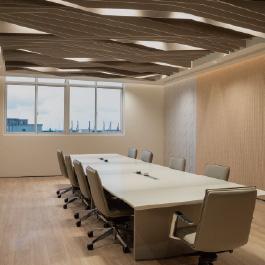
In addition, INTCO DECOR also provides Wood Slat Acoustic Panels, which combine a natural wood-look finish with acoustic performance. They are suitable for homes, offices, hotels, meeting rooms, restaurants, studios, and commercial spaces. Different colors, textures, sizes, and surface finishes are available, with OEM/ODM customization supported.
Wood slat acoustic panels help improve interior aesthetics while contributing to a more comfortable acoustic environment. They are an ideal choice for projects that require both decorative appeal and sound absorption.
Looking for the right wall panel or acoustic panel for your project? Contact INTCO DECOR to discuss product specifications, samples, customization, and wholesale supply options.